
Concrete Requirements for Cold Storage Facilities: What Owners & Developers Need to Know
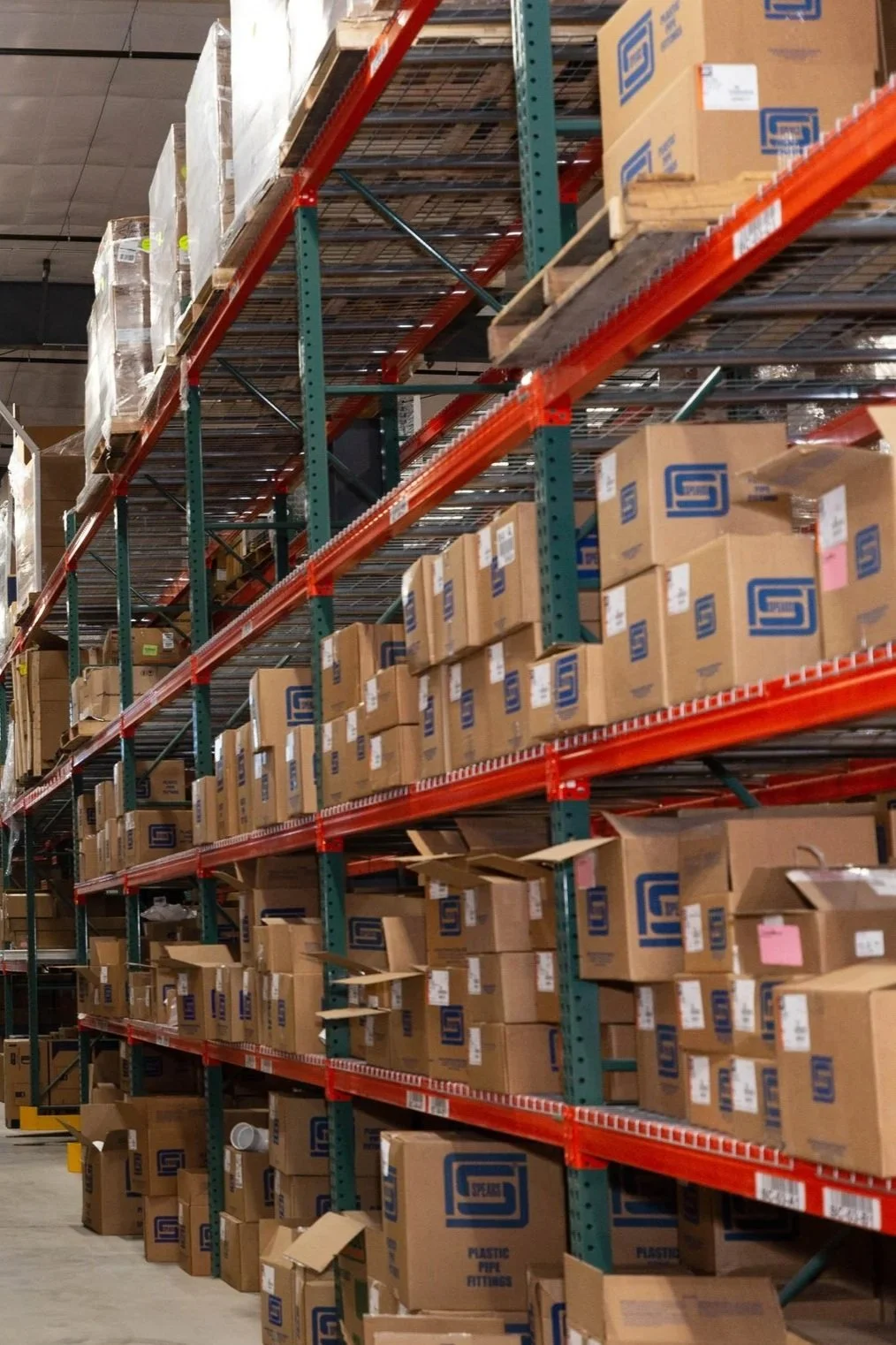
Cold storage facilities are among the most demanding environments for concrete performance. From extreme temperature fluctuations to heavy equipment loads and constant moisture exposure, these spaces require more than a standard slab; they require precision engineering, specialized materials, and expert installation.
Whether you’re planning a new cold storage warehouse, food distribution center, or freezer facility, understanding the unique concrete requirements is critical to long-term durability, operational efficiency, and ROI.
In this guide, we break down everything owners, developers, and facility managers need to know about concrete for cold storage facilities. From slab design to moisture control and long-term performance.
Inside the blog:
Why Cold Storage Facilities Require Specialized Concrete
Key Concrete Design Considerations for Cold Storage
Concrete Coatings That Add Performance
Concrete Sealers: Protection from the Inside Out
Surface Treatments That Improve Performance
Freeze-Thaw Durability & Thermal Performance
Common Mistakes to Avoid
Partnering with the Right Concrete Experts
Why Cold Storage Facilities Require Specialized Concrete
Cold storage environments introduce challenges that standard commercial concrete simply isn’t designed to handle.
Key stress factors include:
Extreme low temperatures (often below freezing)
Freeze-thaw cycles at entry points and loading docks
Heavy forklift and pallet traffic
Moisture intrusion and vapor pressure
Thermal expansion and contraction
Without proper planning, these conditions can lead to cracking, slab movement, frost heave, and costly repairs—all of which disrupt operations and impact your bottom line.

Key Concrete Design Considerations for Cold Storage
1. Subgrade Preparation & Frost Protection
The foundation of any successful cold storage slab starts below the surface.
Cold temperatures can penetrate the slab and freeze the underlying soil, causing frost heave—a major issue that leads to uneven floors and structural damage.
To prevent this, contractors must implement:
Insulated subgrades (rigid foam insulation beneath the slab)
Heated sub-slab systems (in some facilities)
Proper drainage layers to reduce moisture accumulation
Well-compacted base materials
👉 Without these measures, even the strongest concrete mix will fail over time.
2. Concrete Mix Design for Low Temperatures
Not all concrete mixes perform the same in cold environments. Cold storage facilities require a mix that balances strength, durability, and resistance to thermal stress.
Important mix design elements include:
Air entrainment to improve freeze-thaw durability
Low water-to-cement ratio for increased strength
High-performance additives to reduce permeability
Supplementary cementitious materials (SCMs) like fly ash or slag
These components help the concrete resist cracking and deterioration caused by freezing conditions and moisture exposure.
3. Vapor Barriers & Moisture Control
Moisture is one of the biggest threats to cold storage concrete.
When vapor rises through a slab and freezes, it can cause:
Surface delamination
Coating failures
Ice formation (a major safety hazard)
Concrete Coatings That Add Performance
Coatings act as a protective layer, shielding concrete from wear, chemicals, and moisture.
1. Epoxy Coatings
Epoxy is one of the most popular commercial concrete coatings.
Best for:
Warehouses
Manufacturing plants
Garages
Benefits:
High durability
Chemical resistance
Seamless finish
Customizable colors and markings
Epoxy systems are ideal for facilities with heavy equipment and high traffic.
2. Polyurethane Coatings
Polyurethane coatings offer flexibility and UV resistance.
Best for:
Outdoor or sun-exposed areas
Spaces with temperature fluctuations
Benefits:
UV stability (won’t yellow)
Impact resistance
Flexible under movement
3. Polyaspartic Coatings
A fast-curing alternative to epoxy and polyurethane.
Best for:
Projects with tight timelines
Retail and commercial renovations
Benefits:
Rapid installation
Excellent durability
Wide temperature application range
To combat this, facilities should include:
High-quality vapor barriers are installed directly beneath the slab
Moisture testing prior to coatings or finishes
Proper sealing systems to protect the surface
Moisture control isn’t optional—it’s essential for both performance and safety.
4. Slab Thickness & Load Capacity
Cold storage facilities often support high rack storage systems and constant forklift traffic, requiring slabs designed for significant loads.
Typical considerations include:
Increased slab thickness based on load requirements
Strategic reinforcement (rebar or fiber)
Design for point loads from racking systems
Consideration of dynamic loads from moving equipment
A properly engineered slab ensures smooth operations, minimizes maintenance, and supports long-term use without failure.
5. Joint Design & Placement
Concrete naturally expands and contracts, especially in environments with temperature variation.
In cold storage facilities, improper joint placement can lead to:
Random cracking
Joint spalling
Uneven surfaces that impact forklift efficiency
Best practices include:
Strategic control joint spacing
Use of dowel systems for load transfer
Minimizing joints where possible for smoother operations
Proper joint sealing to prevent moisture intrusion
Joint design is often overlooked—but it plays a major role in performance.
6. Floor Flatness & Levelness (FF/FL Ratings)
In high-volume cold storage operations, floor precision matters.
Forklifts, automated systems, and high stacking all depend on flat, level surfaces.
Key requirements include:
Achieving proper FF (Floor Flatness) and FL (Floor Levelness) ratings
Using advanced placement techniques like laser screeds
Minimizing surface irregularities
A smoother floor improves:
Equipment efficiency
Operator safety
Long-term wear resistance
Concrete Sealers: Protection from the Inside Out
Sealers penetrate or coat the surface to protect against moisture and contaminants.
Penetrating Sealers
These sealers soak into the concrete and form a chemical barrier.
Benefits:
Protect against water and salts
Maintain natural appearance
Ideal for exterior slabs
Topical Sealers
Applied to the surface, creating a protective film.
Benefits:
Enhanced appearance (gloss or matte)
Stain resistance
Easier cleaning
Surface Treatments That Improve Performance
Beyond coatings and finishes, specialized treatments can further enhance slab performance.
1. Densifiers
Densifiers chemically react with concrete to harden and strengthen the surface.
Benefits:
Reduced dusting
Increased abrasion resistance
Improved longevity
Common in warehouses and industrial facilities.
2. Moisture Mitigation Systems
Moisture is one of the biggest threats to concrete performance, especially during the installation of flooring systems.
Benefits:
Prevent coating failures
Protect adhesives and flooring
Reduce long-term maintenance issues
3. Joint Fillers
Joints are necessary—but they can also be weak points.
Benefits:
Protect edges from damage
Support heavy traffic loads
Improve safety and cleanliness
4. Anti-Slip Treatments
Safety is a top priority in commercial environments.
Benefits:
Increased traction
Reduced slip-and-fall risks
Compliance with safety standards
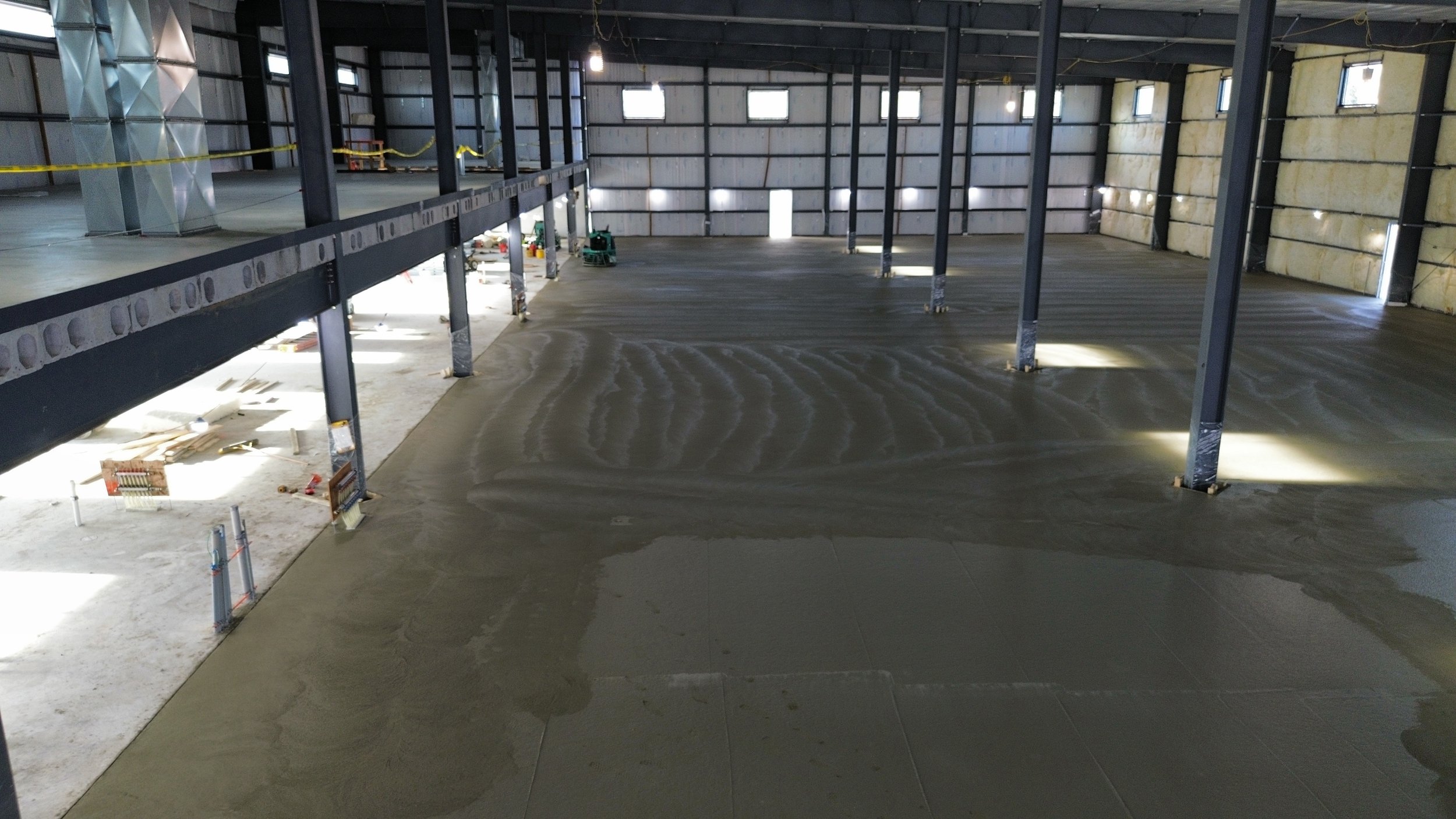
Freeze-Thaw Durability & Thermal Performance
One of the biggest challenges in cold storage is managing temperature transitions, especially in areas like:
Loading docks
Entryways
Cooler-to-freezer transitions
These zones experience repeated freeze-thaw cycles, which can quickly degrade concrete if not properly designed.
Solutions include:
Air-entrained concrete
Durable surface treatments
Reinforced transition zones
Proper insulation design
Addressing these areas upfront prevents costly repairs later.
Common Mistakes to Avoid
Even the best materials can fail if not properly planned or installed.
Skipping surface prep before coatings
Applying coatings too soon (before proper curing)
Choosing aesthetics over performance
Ignoring moisture testing
Using low-quality materials
Working with experienced commercial concrete professionals ensures the right system is selected and installed correctly.
The ROI of Investing Beyond the Pour
Investing in finishes, coatings, and treatments isn’t just about appearance—it’s about performance and profitability.
Long-term benefits include:
Reduced repair costs
Extended slab lifespan
Improved operational efficiency
Enhanced property value
Better safety outcomes
A well-finished concrete slab can last decades with minimal maintenance when done correctly.
Partnering with the Right Concrete Experts
Choosing the right contractor is just as important as selecting the right materials. Experienced professionals understand how to match finishes and treatments to your building’s specific needs.
At Evenson Concrete Systems, we go beyond the pour, delivering high-performance concrete solutions tailored to your project. From warehouse slabs to commercial flooring systems, our team ensures your concrete is built to last.
Build Smarter. Finish Strong.
Concrete is more than a structural element—it’s a long-term investment in your facility’s performance.
Ready to maximize the value of your commercial concrete slab? Contact Evenson Concrete Systems today to explore finishes, coatings, and treatments that will protect your investment and elevate your space for years to come.