
Concrete Floor Leveling vs. Replacement: What’s Right for Your Facility?)
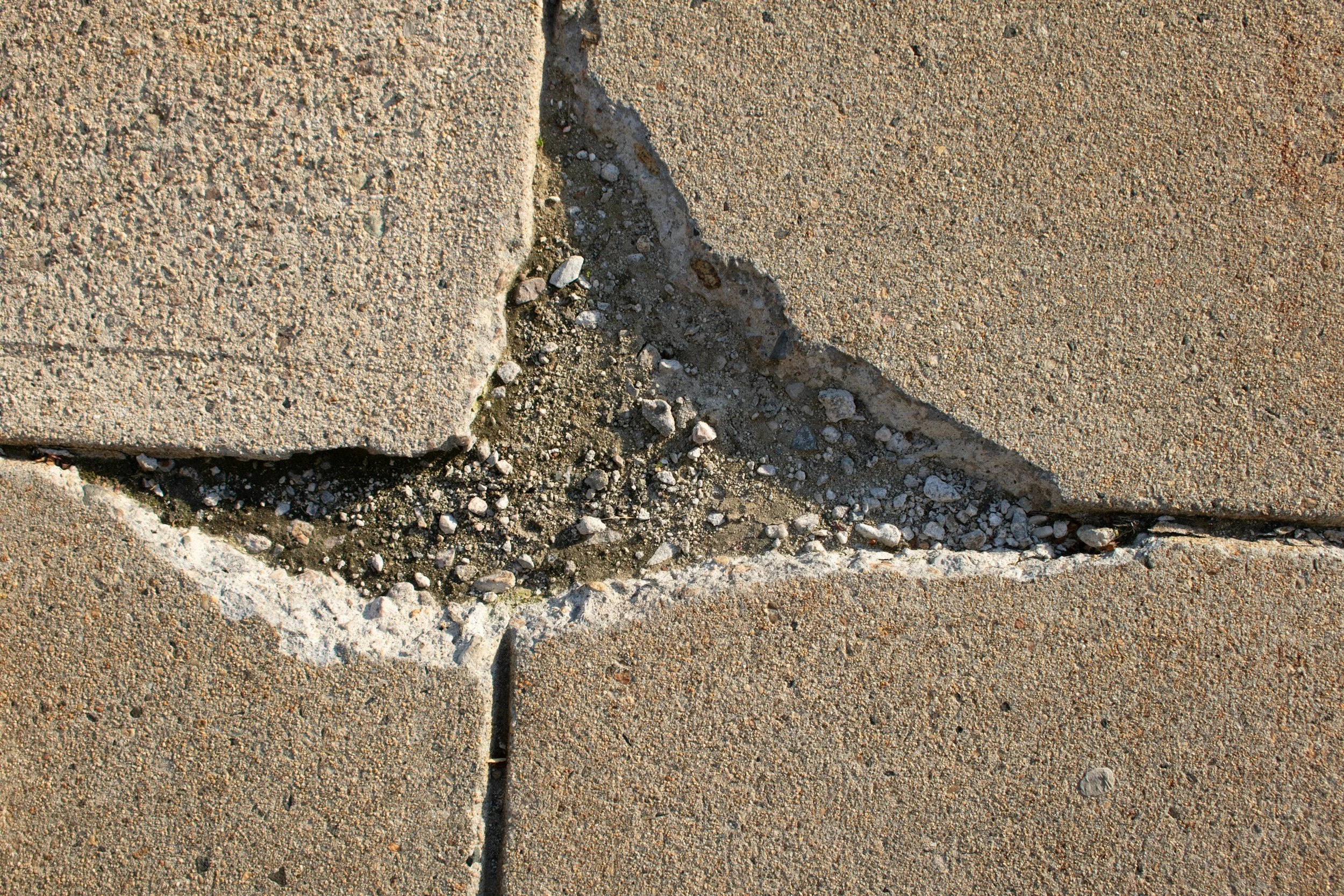
When your concrete floor starts to show signs of wear—cracking, uneven surfaces, or structural fatigue—you’re faced with a critical decision: should you level the existing slab or replace it entirely?
For facility managers, developers, and property owners, this isn’t just a maintenance question—it’s a cost, performance, and long-term ROI decision. Choosing the wrong solution can lead to recurring issues, operational downtime, and unnecessary expense.
In this guide, we break down the differences between concrete floor leveling vs. replacement, when each makes sense, and how to determine the best option for your facility.
Inside the blog:
Why Concrete Floors Fail Over Time
What Is Concrete Floor Leveling?
What Is Concrete Floor Replacement?
Leveling vs. Replacement: Key Decision Factors
The Cost Perspective: Short-Term vs. Long-Term
Ready to Evaluate Your Concrete Floor?
Why Concrete Floors Fail Over Time
Common causes of concrete floor issues include:
Subgrade settlement or poor soil compaction
Heavy equipment loads and forklift traffic
Moisture intrusion and vapor pressure
Freeze-thaw cycles (especially in Midwest climates)
Improper joint placement or curing
According to guidance from the American Concrete Institute, proper design and installation are critical—but even well-built slabs require evaluation as they age.

What Is Concrete Floor Leveling?
Concrete floor leveling is the process of restoring a flat, even surface without removing the existing slab. This method addresses surface irregularities and minor structural issues while preserving the original concrete.
Common Leveling Methods
Self-leveling overlays
Grinding and polishing
Mudjacking (slabjacking)
Polyurethane foam injection
These solutions are designed to correct:
Minor unevenness
Surface wear
Slight settlement
Benefits of Concrete Floor Leveling
Leveling can be a smart solution when the slab is still structurally sound.
✔ Cost-Effective
Leveling is typically significantly less expensive than full replacement.
✔ Faster Turnaround
Most leveling projects can be completed with minimal disruption to operations.
✔ Sustainable Option
Reusing the existing slab reduces material waste, aligning with sustainability principles supported by organizations like the U.S. Green Building Council.
✔ Improved Safety
Eliminates trip hazards and improves surface performance for equipment
Limitations of Concrete Leveling
While leveling has advantages, it’s not always the right solution.
Leveling may not be effective if:
The slab has deep structural cracks
There is significant subgrade failure
The floor cannot support the required loads
Moisture issues are severe
In these cases, leveling becomes a temporary fix rather than a long-term solution.
What Is Concrete Floor Replacement?
Concrete floor replacement involves removing the existing slab and installing a new one designed to meet current performance requirements.
This process includes:
Demolition and removal of the existing slab
Subgrade preparation and correction
Installation of reinforcement (rebar or fiber)
New concrete pour and finishing
Benefits of Concrete Floor Replacement
✔ Long-Term Performance
A new slab is built to modern standards, ensuring durability and reliability.
✔ Improved Load Capacity
Replacement allows for redesign based on current operational demands, including heavy equipment and racking systems.
✔ Moisture & Subgrade Correction
Underlying issues—like poor drainage or vapor intrusion—can be fully addressed.
Guidance from the Portland Cement Association emphasizes the importance of proper subgrade preparation and moisture control in achieving long-term concrete performance.
✔ Customization for Your Facility
New construction allows for:
Optimized slab thickness
Strategic joint placement
Improved flatness and levelness (FF/FL ratings)
Drawbacks of Replacement
Replacement is a larger investment and comes with trade-offs:
Higher upfront cost
Longer project timeline
Operational downtime
However, for many facilities, the long-term benefits outweigh the initial expense.
Leveling vs. Replacement: Key Decision Factors
Choosing between leveling and replacement depends on several critical factors.
1. Structural Integrity
If the slab is structurally sound, leveling may be sufficient.
If there are major cracks or instability, replacement is likely necessary.
2. Extent of Damage
Minor surface issues → Leveling
Widespread deterioration → Replacement
3. Load Requirements
Facilities with heavy loads—such as warehouses or manufacturing plants—require floors designed for performance.
The National Ready Mixed Concrete Association highlights the importance of designing concrete for specific load conditions to prevent premature failure.
4. Moisture & Vapor Issues
Moisture problems can undermine both leveling and coatings. Research from Building Science Corporation shows that unmanaged vapor pressure can lead to long-term damage.
If moisture is a major issue, replacement with proper vapor barriers may be the best solution.
5. Budget & Timeline
Leveling = lower cost, faster turnaround
Replacement = higher investment, long-term value
When Leveling Is the Right Choice
Concrete floor leveling is ideal when:
The slab is structurally stable
Damage is limited to surface-level issues
You need a quick, cost-effective solution
Downtime must be minimized
When Replacement Is the Better Option
Replacement is recommended when:
Structural integrity is compromised
The floor cannot support operational loads
There are significant moisture or subgrade issues
You’re planning for long-term facility performance
The Cost Perspective: Short-Term vs. Long-Term
One of the biggest mistakes facility owners make is focusing only on upfront cost.
Leveling may save money initially—but if the underlying issue isn’t resolved, you may face:
Repeated repairs
Operational inefficiencies
Increased maintenance costs
Replacement, while more expensive upfront, often delivers better ROI over time by eliminating recurring issues.
The Importance of a Professional Assessment
No two facilities are the same, and the right solution requires a detailed evaluation.
At Evenson Concrete Systems, we take a solutions-based approach, assessing:
Structural condition
Load requirements
Moisture conditions
Long-term operational goals
This ensures you’re not just fixing a problem—you’re investing in a solution that supports.
Build Smarter with the Right Concrete Strategy
Choosing between concrete floor leveling and replacement isn’t always straightforward—but making the right decision is critical to your facility’s success.
Leveling offers a fast, cost-effective fix for minor issues. The replacement provides a long-term solution to structural and performance challenges.
The key is understanding what your facility truly needs today—and what it will demand in the future.

Ready to Evaluate Your Concrete Floor?
If your concrete floor is showing signs of wear, now is the time to act before minor issues become major problems.
Partner with a team that understands the full picture, from surface repairs to complete slab replacement.
Contact Evenson Concrete Systems today to schedule an evaluation and determine the best solution for your facility.