
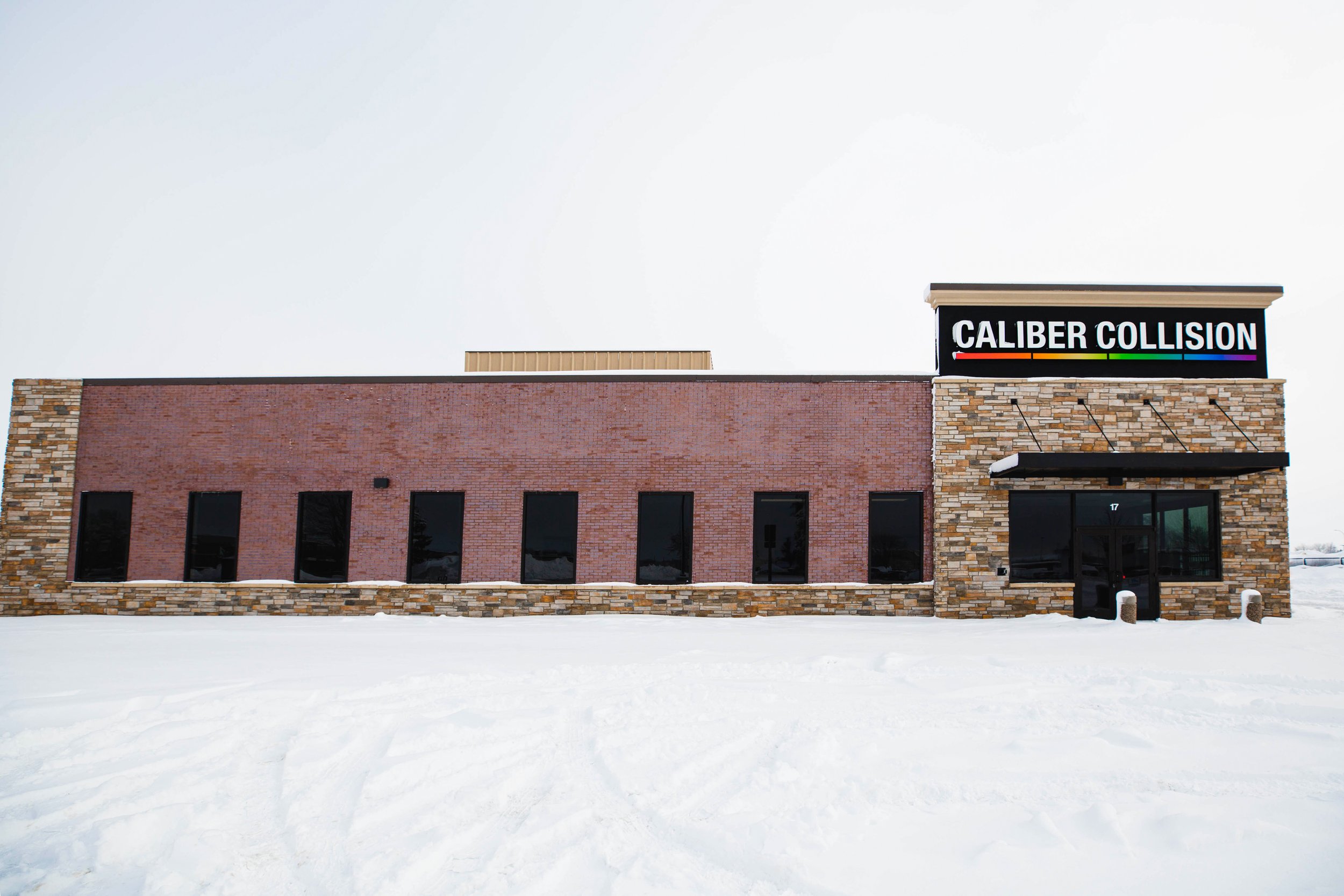
Winter Commercial Concrete in Minnesota: 7 Costly Mistakes to Avoid
Winter commercial concrete in Minnesota requires careful planning to avoid costly delays, damage, and performance issues. Learn seven common cold-weather concrete mistakes and how proper preparation, curing, and protection can help keep commercial projects on track.

Minnesota Commercial Concrete Contractor: What to Look for Before Hiring
Planning a commercial concrete project takes more than a great pour. Discover 12 essential steps. From site preparation and slab design to reinforcement, placement, curing, and maintenance—to help ensure a stronger, longer-lasting commercial concrete project.

Farm Equipment Concrete Slabs: Thickness, Reinforcement & Cost Guide
Farm equipment concrete slabs need to withstand heavy machinery, demanding loads, and daily agricultural use. Learn how slab thickness, reinforcement, subgrade preparation, and project costs impact the strength and durability of farm shops, machine sheds, and equipment storage buildings.
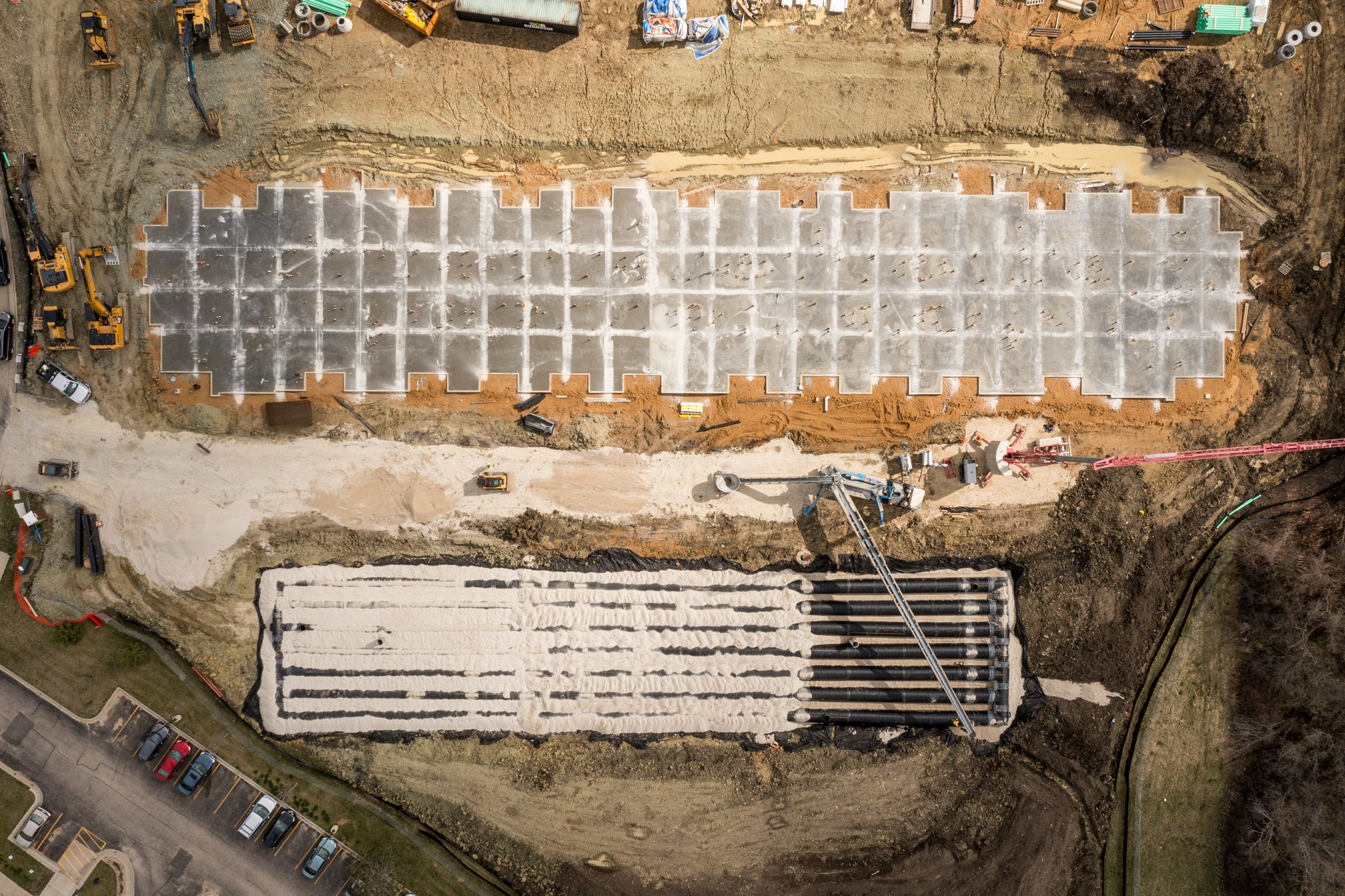
Industrial Concrete Flooring Contractor: What to Look for Before Your Next Project
An experienced industrial concrete flooring contractor can make all the difference in the strength and performance of your facility. Learn what to look for when choosing a contractor, from slab design and reinforcement to placement, finishing, curing, and long-term durability.
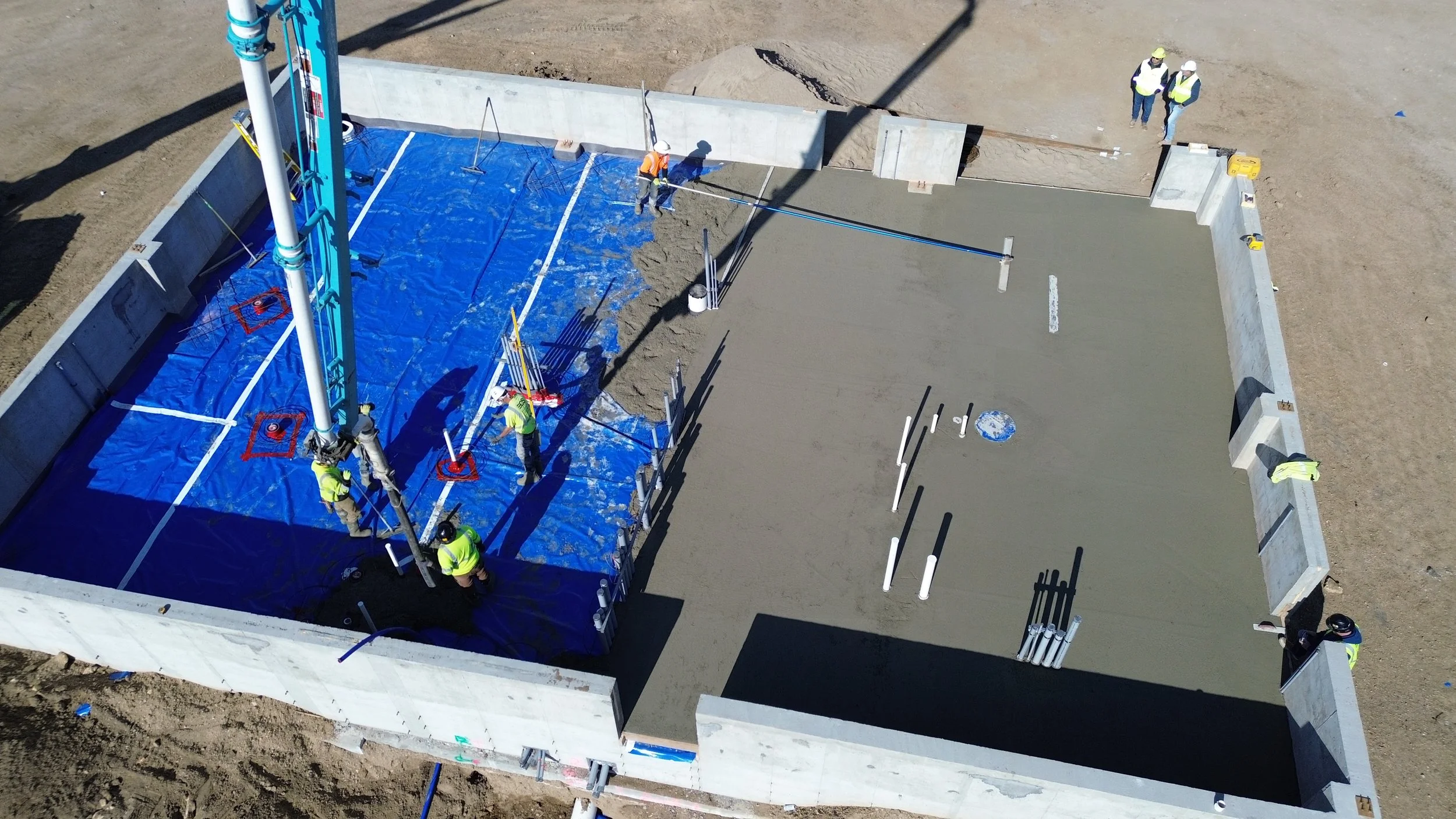
What Temperature Is Too Cold to Pour Concrete? A Fall & Winter Guide
What temperature is too cold to pour concrete? As fall temperatures drop, cold weather can impact concrete curing, strength, and durability. Learn when temperatures become a concern and how proper cold-weather concrete practices can help protect commercial slabs and keep projects on track.

Warehouse Concrete Slabs: Thickness, Reinforcement & Cost Guide
A warehouse concrete slab is one of the most important investments in any industrial facility. This guide covers everything you need to know about warehouse concrete slab thickness, reinforcement options, and construction costs, helping you build a stronger, longer-lasting foundation. Learn how proper design, quality materials, and expert installation can improve durability, reduce maintenance, and support the demands of warehouses, distribution centers, and manufacturing facilities.

7 Essential Concrete Curing Tips for a Stronger, Longer-Lasting Finish
Proper concrete curing can make the difference between a surface that lasts and one that develops problems over time. Discover seven essential concrete curing tips to improve strength, durability, and long-term performance.
Strength in Support: How ECS Fuels Growth and Connection
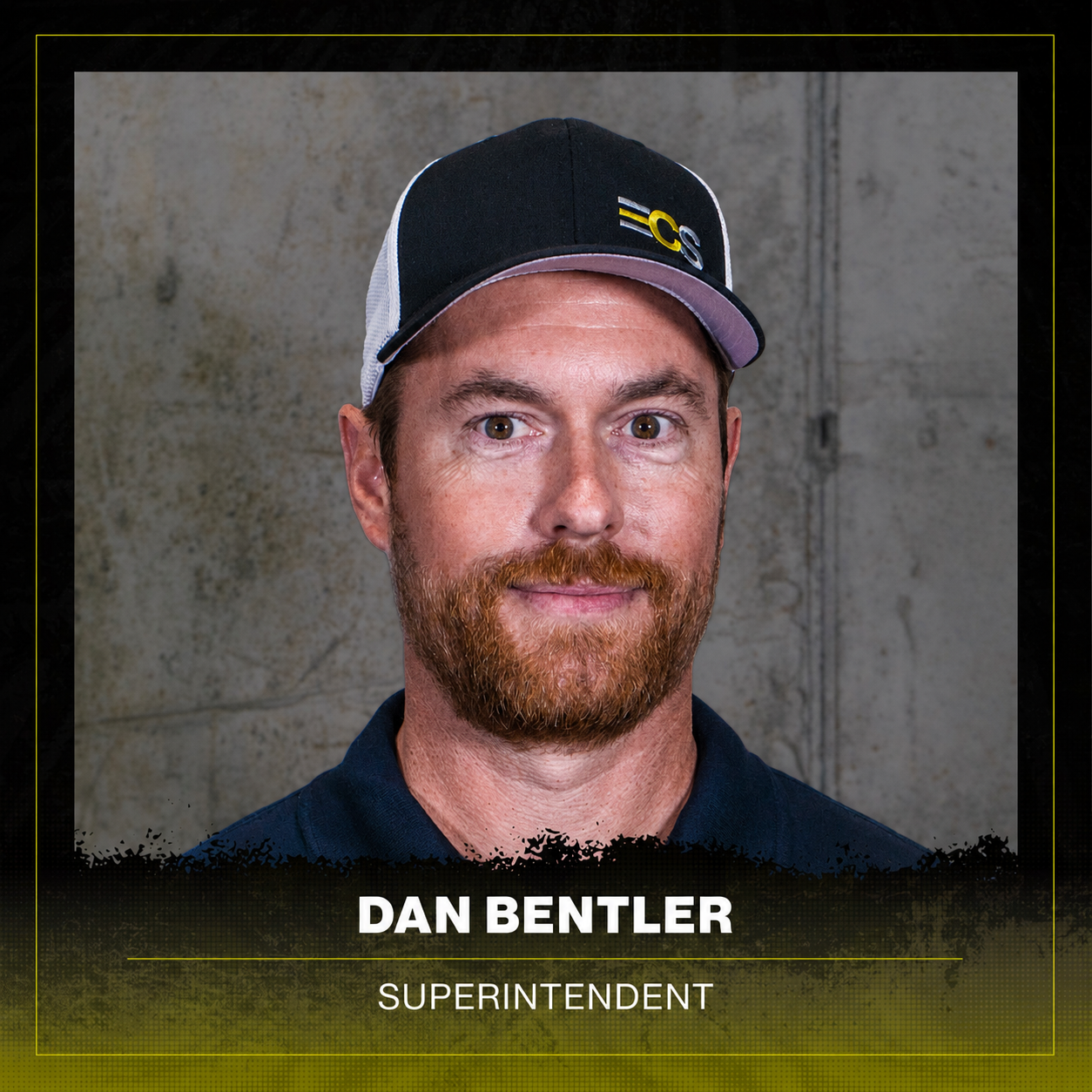
Six years of dedication, leadership, and craftsmanship- thank you, Dan Bentler, for everything you've contributed to Evenson Concrete Systems! Your commitment to quality, teamwork, and getting the job done right has made a lasting impact on our team, our clients, and every project you've helped bring to life. Congratulations on six years with ECS. WAe're grateful to have you on the team and look forward to many more successful years ahead.

5 Things That Affect How Long Concrete Takes to Cure
How long does concrete take to cure? While most concrete reaches its design strength in about 28 days, several factors can impact the curing process and the long-term durability of your project. In this guide, Evenson Concrete Systems explores the five key factors that affect concrete cure time—from weather and moisture to mix design and slab conditions. Learn why proper curing is essential for stronger, longer-lasting commercial concrete and how expert planning helps protect your investment for years to come.

Q&A: Welcoming Jacob Maras as Superintendent at Evenson Concrete Systems
Meet Jacob Maras, the newest Superintendent at Evenson Concrete Systems. Learn about his construction background, leadership philosophy, and role in delivering quality commercial concrete projects.

Reinforced Concrete Slabs for Warehouses: Design, Costs, and Benefits
Reinforced concrete slabs are the foundation of durable construction. Explore their benefits, reinforcement methods, and why they remain a trusted solution for commercial concrete projects throughout Minnesota.
Why Proper Curing Matters: The Key to Long-Lasting Concrete Performance
Proper curing is one of the most important factors in determining the long-term strength, durability, and performance of concrete. While the work may appear finished once concrete is poured and finished, the curing process is just beginning. Learn why proper curing matters, how it impacts commercial and industrial concrete projects, and the best practices that help concrete reach its full potential. Whether you're building a warehouse, manufacturing facility, or commercial development, understanding concrete curing can help protect your investment for decades to come.
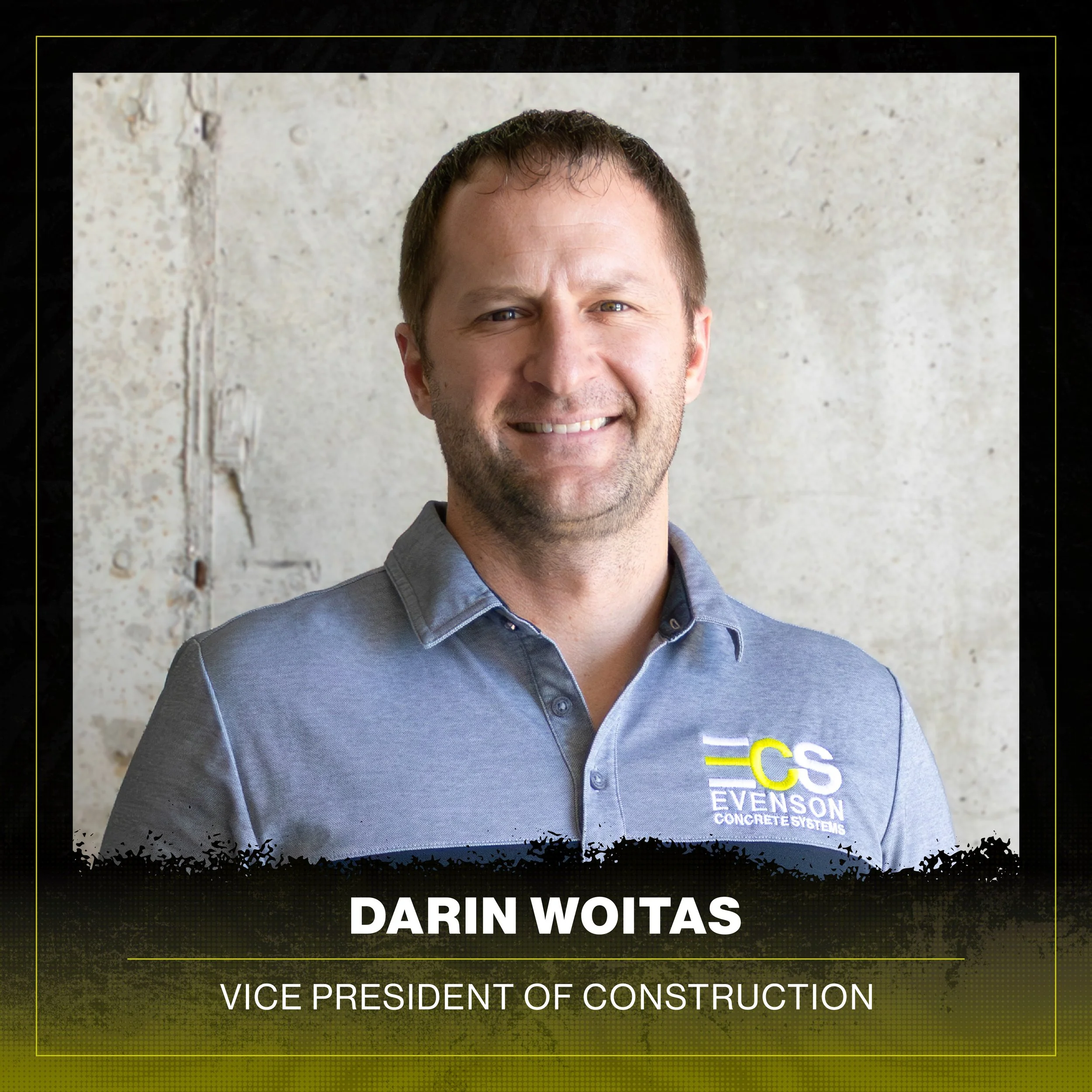
Q&A with Darin Woitas: Leading the Future of Concrete Construction at ECS
Meet Darin Woitas, Vice President of Construction at Evenson Concrete Systems. With years of hands-on industry experience and a passion for delivering quality results, Darin plays a key role in leading teams, managing complex commercial concrete projects, and helping drive the company’s continued growth across the region. Learn more about the leadership, expertise, and commitment behind the work that keeps ECS moving forward..
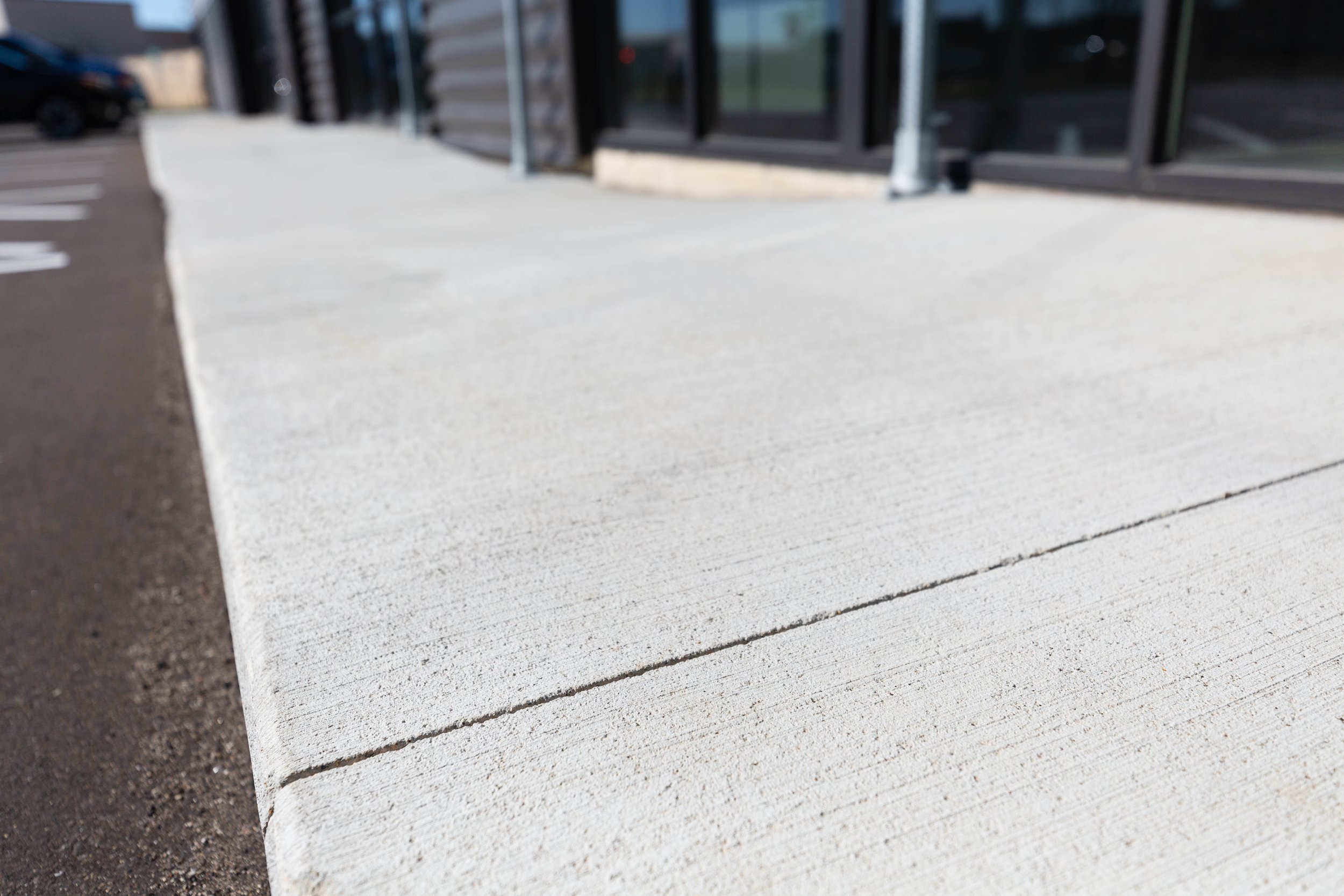
Commercial Concrete Slabs 101: From Planning to Pour
Commercial concrete slabs are the foundation of every successful industrial build. From planning and site preparation to reinforcement, pouring, and curing, every phase plays a critical role in long-term performance. This guide explores everything you need to know about commercial concrete slabs, including slab types, costs, durability, and best practices for warehouses, manufacturing facilities, and large-scale industrial projects.

The Ultimate Guide to Commercial Concrete Slabs for Industrial Builds
A commercial concrete slab is the backbone of any industrial facility, supporting heavy loads, constant traffic, and long-term performance. This guide breaks down slab types, costs, thickness, and best practices to help you build stronger, more efficient foundations from the ground up.
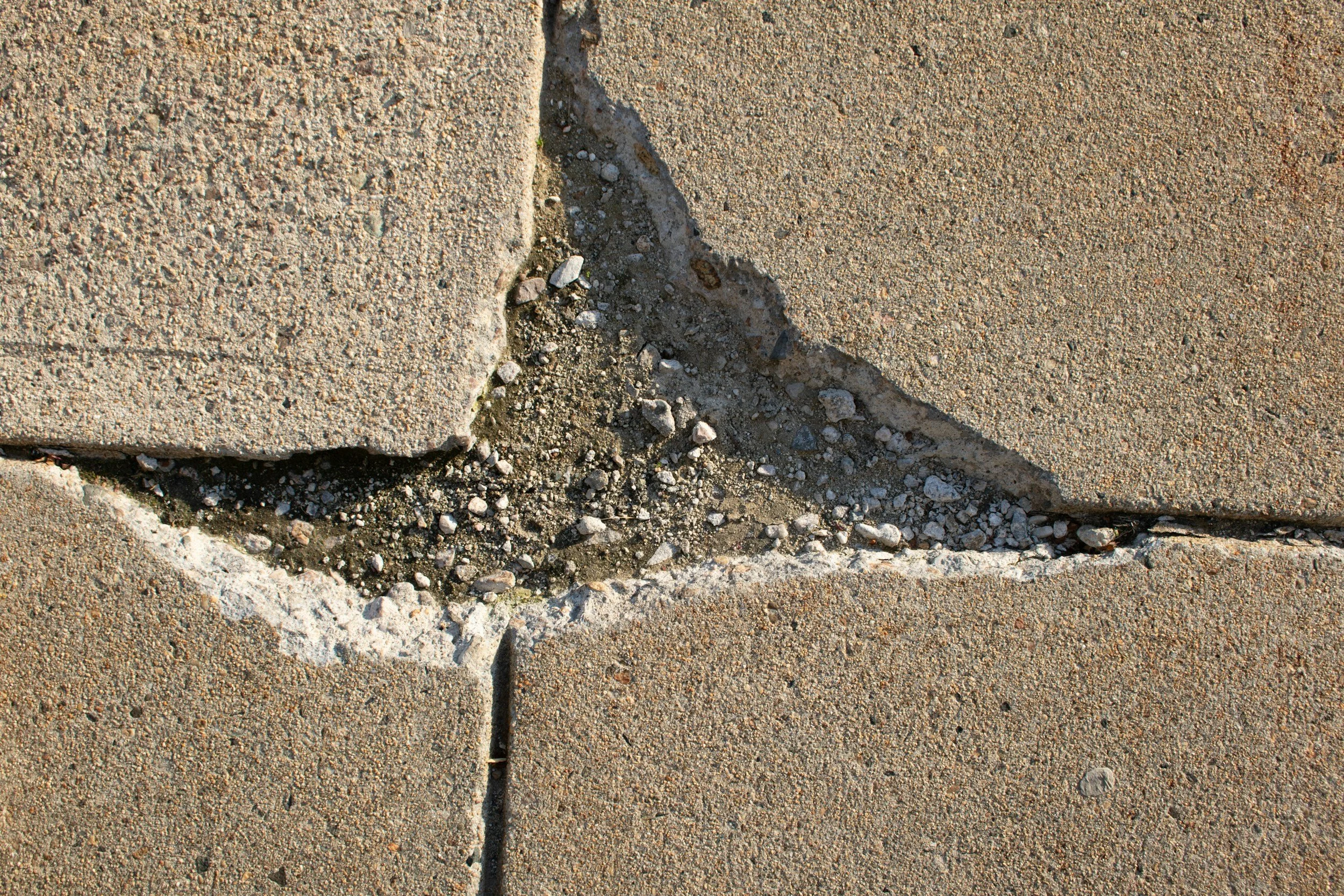
Concrete Floor Leveling vs. Replacement: What’s Right for Your Facility?)
Concrete floor leveling vs. replacement, what’s right for your facility? Learn the key differences, costs, and long-term benefits to make the best decision for your concrete slab.
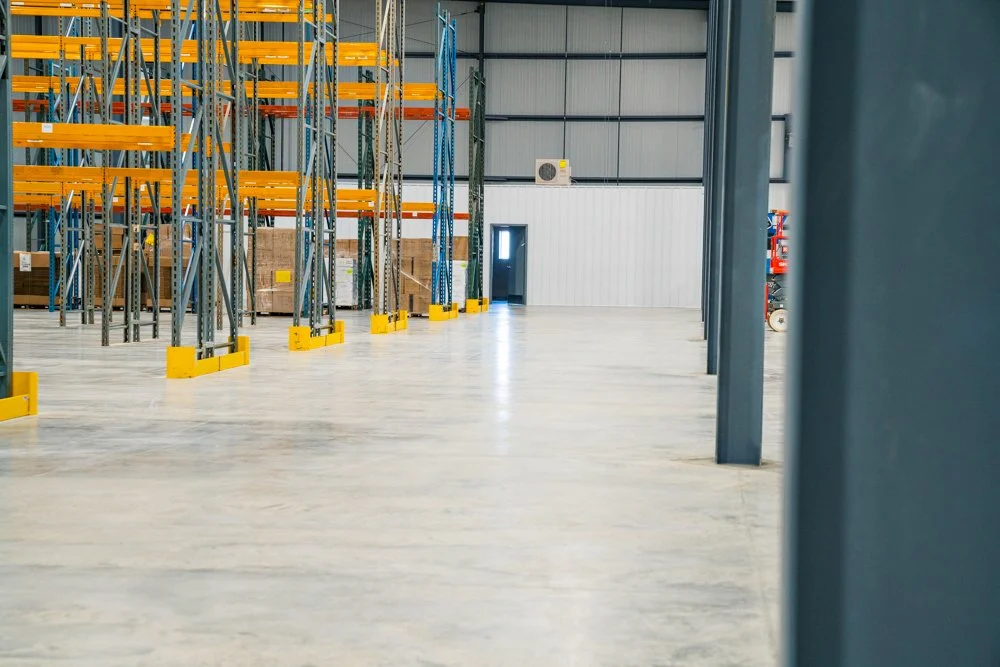
Concrete Requirements for Cold Storage Facilities: What Owners & Developers Need to Know
Concrete requirements for cold storage facilities go beyond standard slabs. Learn how proper mix design, insulation, vapor barriers, and load capacity planning ensure long-term performance in extreme environments.
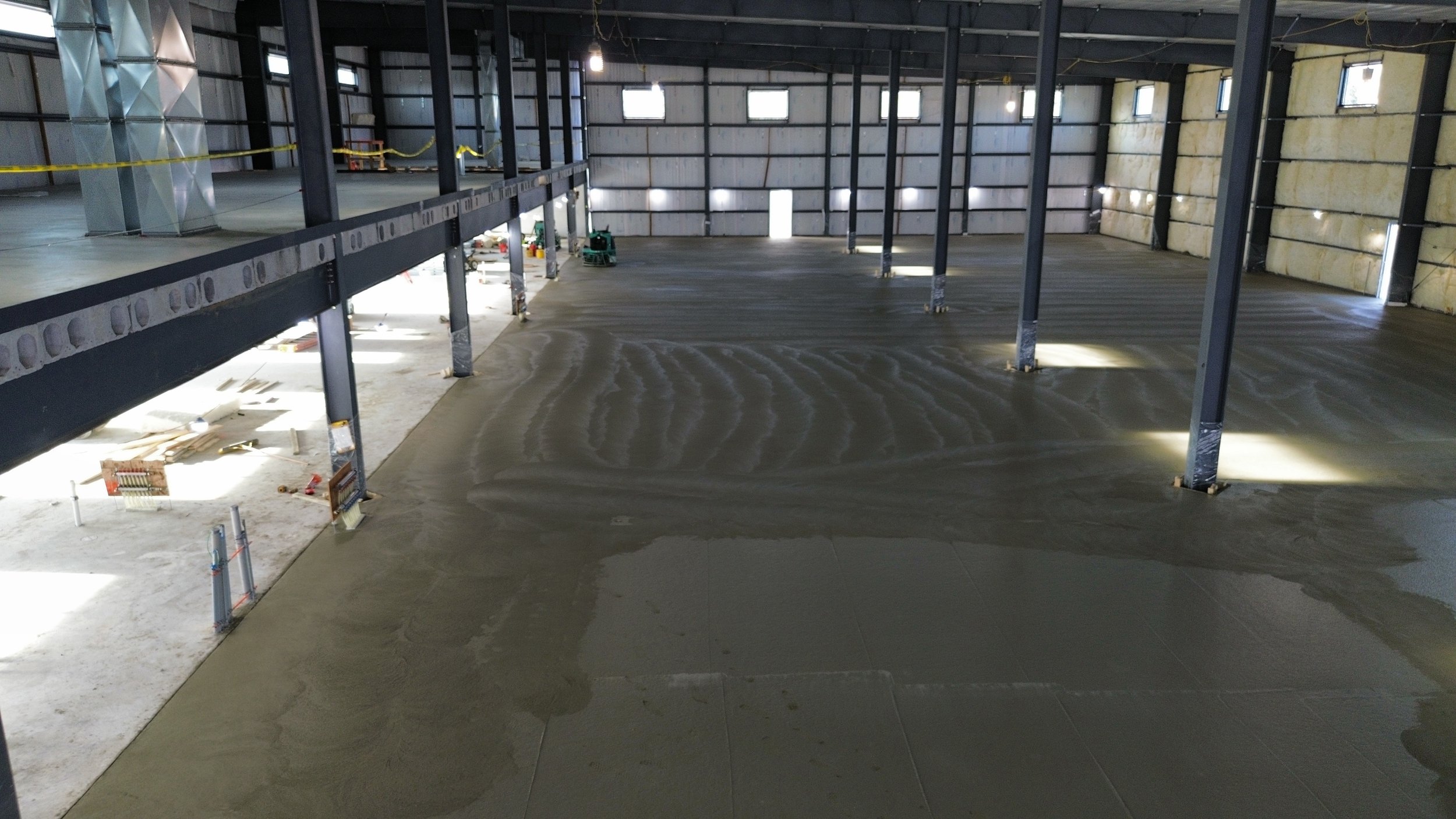
Beyond the Pour: Finishes, Coatings & Treatments That Add Value to Commercial Concrete Slabs
Discover how finishes, coatings, and treatments add durability, safety, and value to commercial concrete slabs. Learn the best options for your project.
Spring Concrete Pouring Guide: Timing, Temperature & Best Practices for Strong Results
Spring is one of the best times to start commercial concrete projects, but unpredictable temperatures, moisture, and ground conditions can impact performance if not properly managed. This guide covers essential spring concrete-pouring best practices, including timing, temperature control, mix selection, and curing methods, to ensure strong, durable results. Whether you’re planning a warehouse floor, industrial slab, or commercial foundation, understanding how to navigate spring conditions can help protect your investment and keep your project on track.
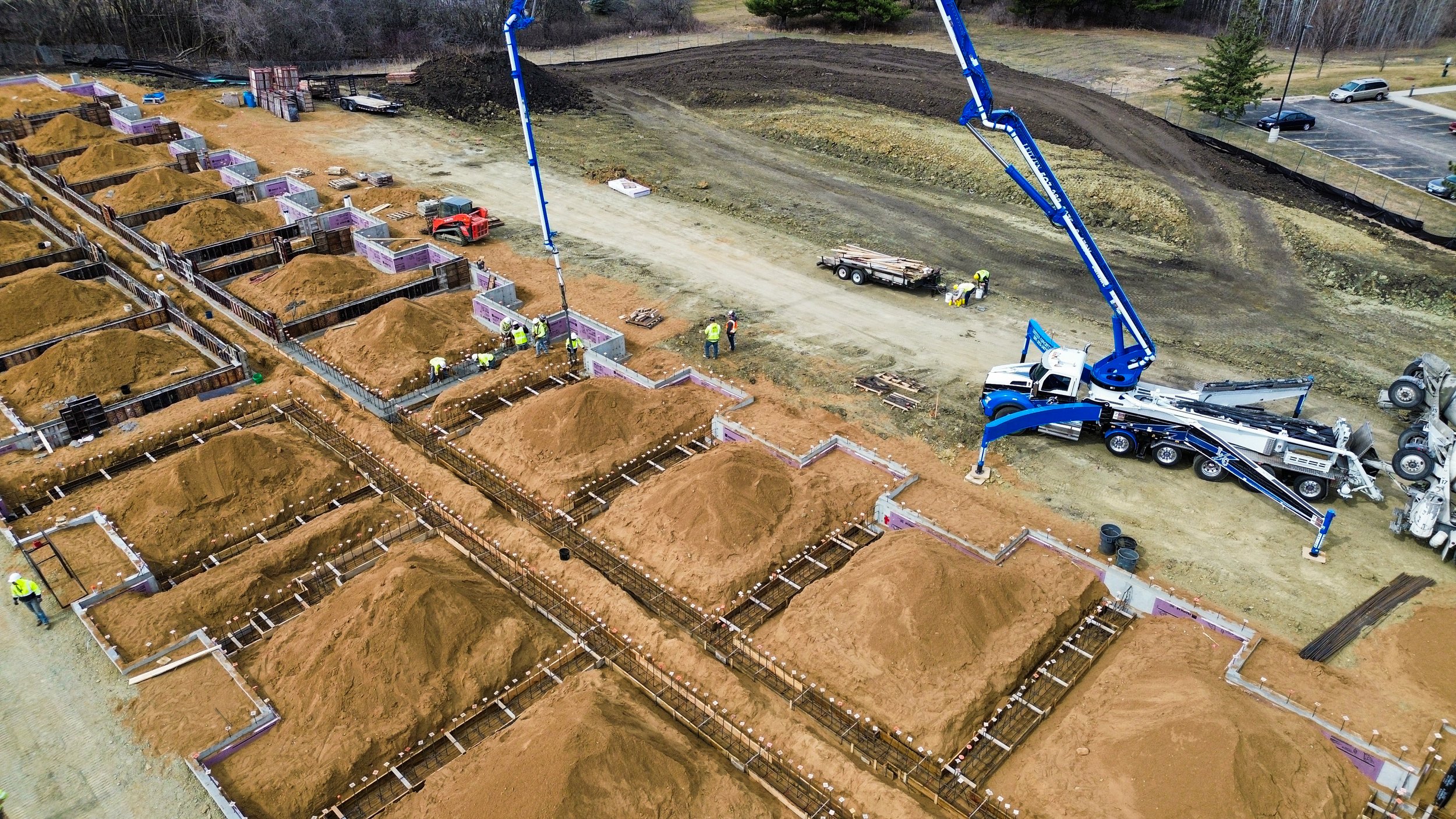
Large Scale Concrete Construction: What Owners, Developers, and Contractors Need to Know
Large scale concrete construction is the backbone of modern infrastructure. From logistics hubs to healthcare facilities; supporting the spaces that keep industries moving. These projects go far beyond basic foundations; they represent strategic investments in performance, safety, and long-term durability. When executed correctly, large scale concrete work delivers the strength and reliability businesses depend on for decades.