
When to Repair vs. Replace a Commercial Concrete Floor
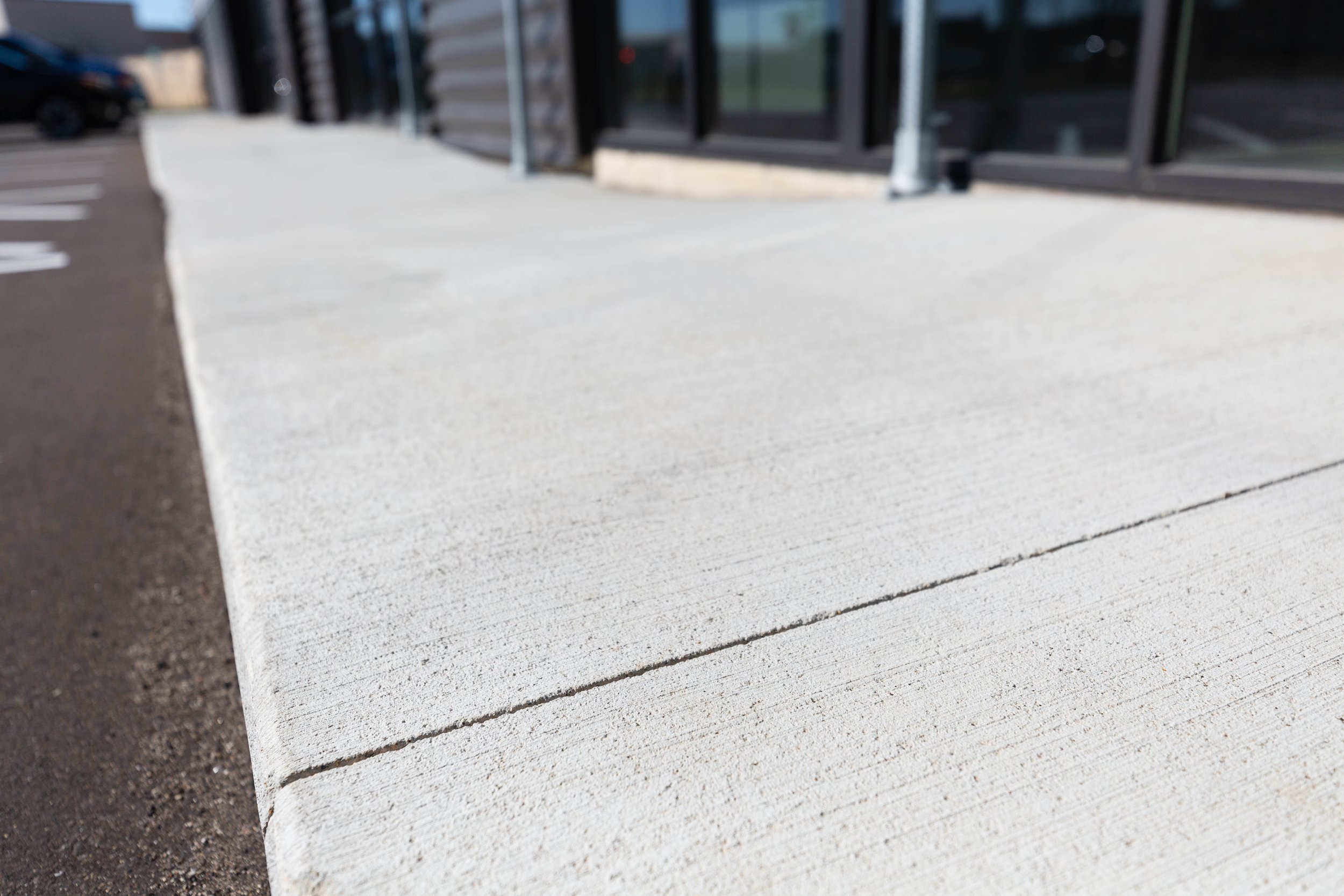
Commercial concrete floors are built for durability—but they’re not indestructible. Over time, even the best-installed slabs experience wear from traffic, loads, moisture, temperature swings, and daily operations. When damage appears, owners and facility managers face a critical question:
Should you repair the floor, or is it time to replace it?
The right answer depends on cost, remaining lifespan, operational disruption, and long-term performance. Making the wrong call can lead to recurring repairs, safety issues, and unexpected downtime. This guide breaks down how to evaluate your concrete floor and determine the most cost-effective, long-lasting solution.
Inside the blog:
Understanding the Role of a Commercial Concrete Floor
Common Signs of Concrete Floor Damage
When Repair Is the Right Choice
Cost Comparison: Repair vs. Replacement
Lifespan Considerations
Final Thoughts: Make the Decision That Protects Your Investment
Understanding the Role of a Commercial Concrete Floor
Before choosing repair or replacement, it’s important to understand what you’re seeing and why it’s happening.
Typical Warning Signs Include:
Cracks that continue to widen or spread
Surface dusting or flaking
Spalling or scaling
Uneven areas or slab curling
Moisture intrusion or staining
Joint failure or separation
Some of these issues are cosmetic. Others signal deeper structural problems.
When Repair Is the Right Choice
In many cases, repairing a commercial concrete floor is the most cost-effective option, especially when damage is localized and the slab’s structural integrity is still sound.
Situations Where Repair Makes Sense
1. Minor or Isolated Cracking
Hairline cracks or small, non-structural cracks can often be repaired using epoxy injection, routing and sealing, or joint restoration—without compromising performance.
2. Surface-Level Damage
Issues like surface dusting, light spalling, or wear from traffic can typically be addressed through:
Grinding and resurfacing
Overlays
Protective coatings
These repairs restore usability and appearance while extending the floor’s life.
3. Functional Slab with Remaining Lifespan
If the slab is still structurally strong and performing as designed, repairs can add years or even decades of service life at a fraction of the cost of replacement.

Cost Comparison: Repair vs. Replacement
Repair Costs (Typical Range)
Crack repair: Low to moderate
Joint repair: Moderate
Surface resurfacing or coatings: Moderate
Repairs are usually significantly less expensive upfront and can often be completed quickly.
Replacement Costs
Full slab replacement involves:
Demolition and removal
Subgrade preparation
New concrete placement
Curing time
Reinstallation of equipment or racking
A replacement requires a higher upfront investment, but in some cases it delivers better long-term value.
When Replacement Is the Better Investment
While repairs can be effective, they’re not always the right solution. Replacing a commercial concrete floor is often necessary when underlying issues threaten performance, safety, or longevity.
Signs It’s Time to Replace
1. Structural Failure or Extensive Cracking
If cracks are widespread, deep, or caused by subgrade failure, repairs may only be temporary. Structural issues require full replacement to address the root cause.
2. Repeated Repairs with Diminishing Returns
When a floor requires frequent repairs, costs add up quickly. At a certain point, replacement becomes the more economical option.
3. Inadequate Design for Current Use
Many older concrete floors were not designed for today’s loads, traffic patterns, or equipment. Replacement allows for:
Increased PSI
Improved reinforcement
Better joint layout
Enhanced durability
4. Moisture and Vapor Issues
Persistent moisture problems can compromise flooring systems, coatings, and indoor environments. Replacing the slab allows for proper vapor barriers and moisture mitigation.
Lifespan Considerations
Repaired Floors
Well-executed repairs can extend a floor’s life by:
5–15 years (or more, depending on conditions)
This makes repair a strong option for facilities with moderate demands or planned future renovations.
Replaced Floors
A properly designed and installed commercial concrete floor can last:
30–50+ years
Replacement provides a clean slate—optimized for current and future operational needs.
Operational Disruption: A Critical Factor
One of the biggest concerns for commercial clients is downtime.
Repair Disruption
Often localized
Can be phased or scheduled during off-hours
Minimal impact on operations
Repairs are ideal for facilities that must remain operational.
Replacement Disruption
Requires partial or full shutdowns
Longer timelines due to demolition and curing
Equipment relocation may be necessary
While more disruptive, replacement can eliminate ongoing interruptions caused by repeated repairs.

Safety and Compliance Considerations
Damaged concrete floors can create:
Trip hazards
Forklift instability
Joint failure under load
OSHA and code compliance risks
In safety-critical environments, replacement may be the responsible choice—even if repairs appear less expensive upfront.
How a Professional Assessment Makes a Difference
Choosing between repair and replacement should never be guesswork. A professional evaluation considers:
Slab thickness and PSI
Reinforcement type and condition
Subgrade stability
Moisture levels
Load requirements
Traffic patterns
Long-term operational goals
This data-driven approach ensures the solution aligns with both performance needs and budget.
Final Thoughts: Make the Decision That Protects Your Investment
There’s no one-size-fits-all answer to whether to repair or replace a commercial concrete floor. The right choice balances cost, lifespan, safety, and operational impact.
Repairs are ideal for localized damage and budget-conscious solutions
Replacement is necessary when structural integrity, performance, or long-term value is at risk
Understanding these factors helps owners and facility managers avoid costly mistakes and plan with confidence.
If you’re unsure whether your commercial concrete floor should be repaired or replaced, don’t guess. Work with experienced professionals who understand concrete performance, lifecycle costs, and operational realities.
Evenson Concrete Systems provides expert evaluations and solutions designed to protect your investment and keep your facility running strong. Contact our team today to discuss the best path forward for your concrete floor.