
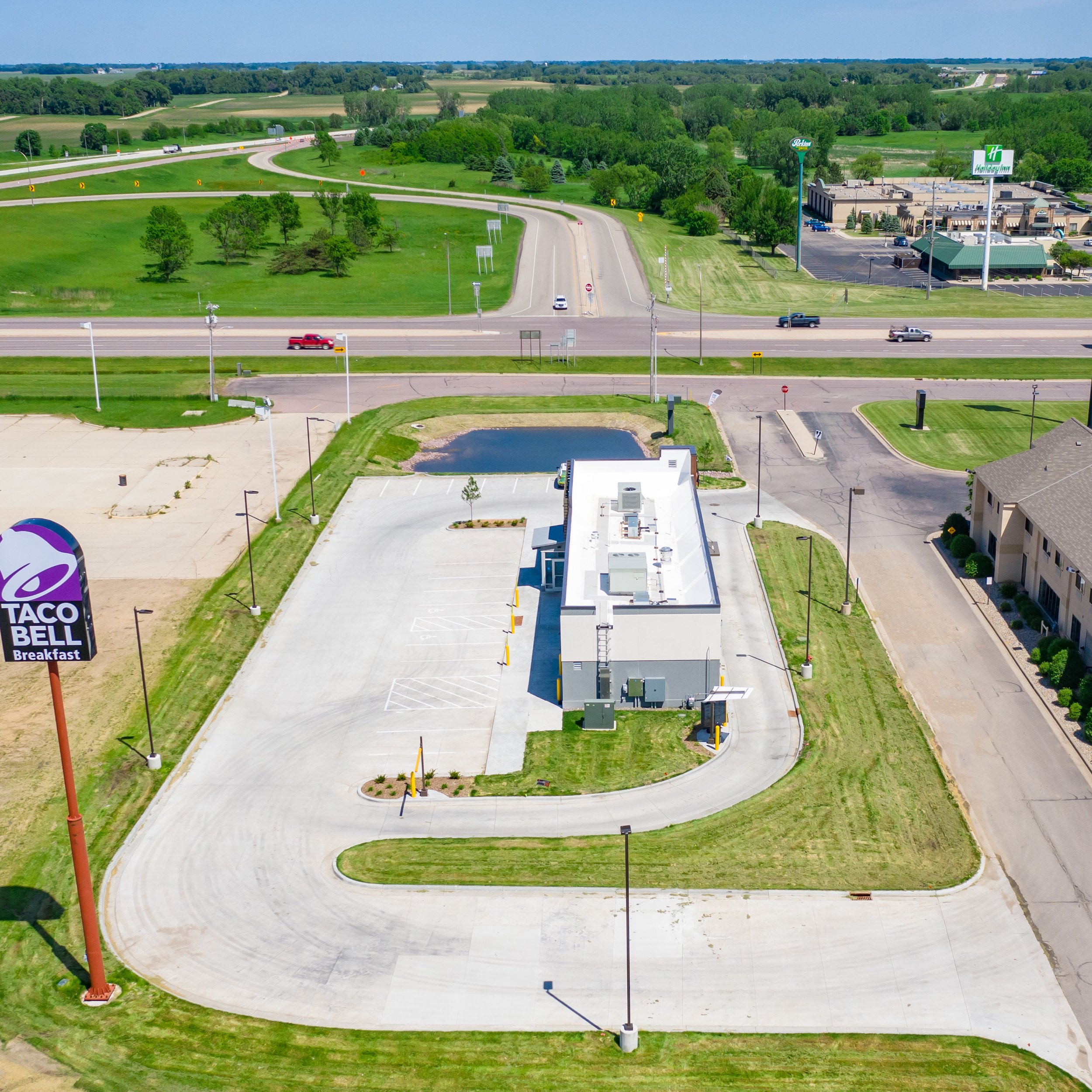
Concrete Cure Time Explained for Owners, Developers, and Contractors
Concrete curing plays a critical role in the strength and durability of commercial construction. Learn how concrete cure time affects project schedules, structural performance, and long-term building quality.

Concrete Slab Thickness for Commercial Buildings: What You Need to Know
Concrete slab thickness is one of the most important structural decisions in commercial construction. From office spaces and retail stores to warehouses and heavy industrial facilities, the right slab thickness ensures durability, load capacity, and long-term performance. Choosing correctly means balancing soil conditions, reinforcement, and expected traffic to prevent costly repairs down the road. Here’s what you need to know before you pour.
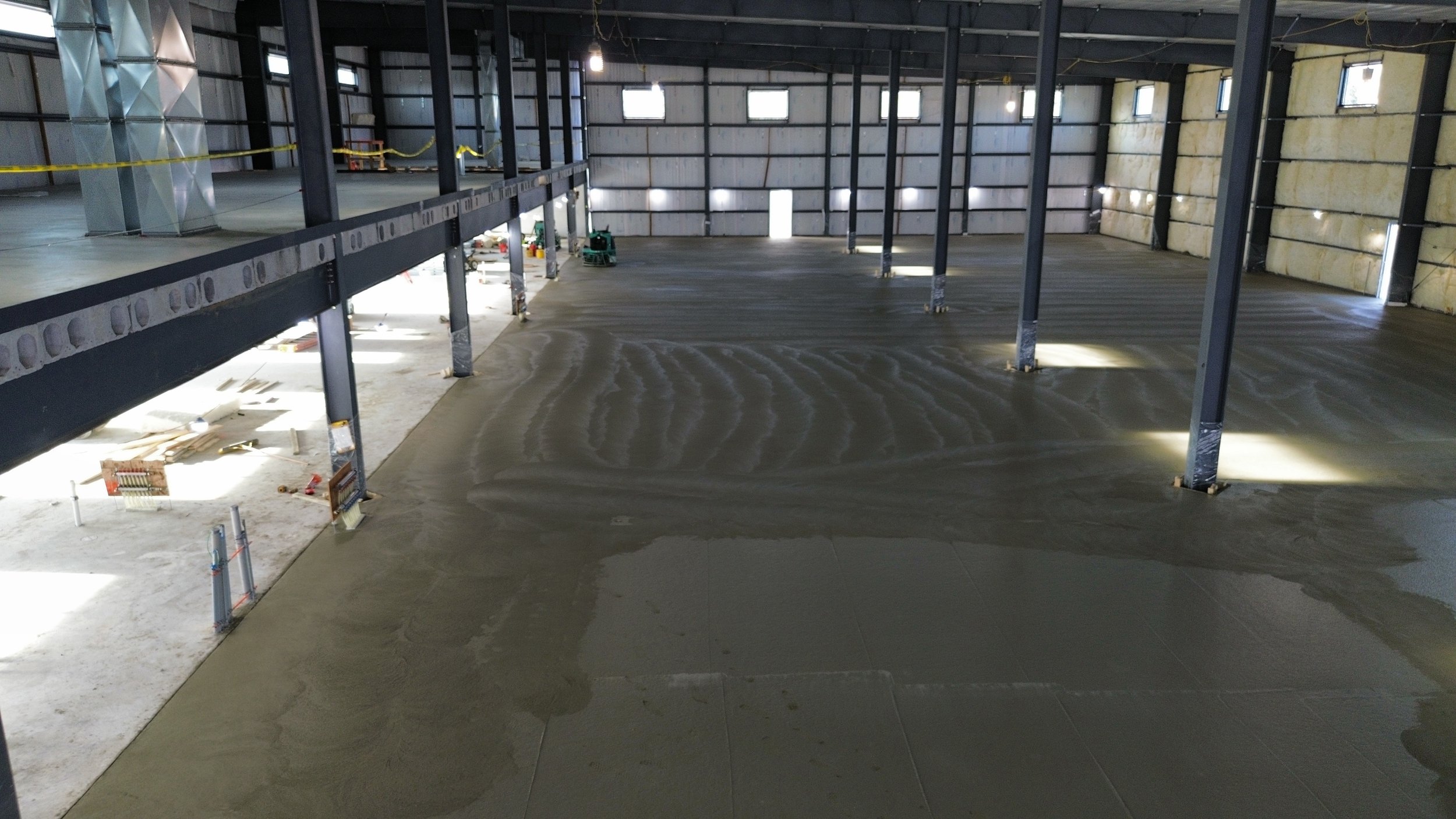
Slab-on-Grade vs. Elevated Concrete Slabs: Cost, Performance & Best Use Cases
When comparing slab-on-grade vs. elevated concrete slabs, speed of construction is often a deciding factor. Slab-on-grade systems typically allow for faster installation because they require less structural support, minimal formwork, and fewer sequencing dependencies. Elevated concrete slabs, on the other hand, involve shoring, structural coordination, and extended curing timelines before additional loads can be applied. For projects with tight schedules, such as warehouses, retail developments, or manufacturing facilities, choosing the right slab system can significantly impact overall construction timelines and project costs.

When to Repair vs. Replace a Commercial Concrete Floor
Not all concrete floor damage requires full replacement, but knowing when to repair versus replace can save time, money, and operational downtime. This guide breaks down the key factors to consider, including cost comparisons, expected lifespan, and how each option impacts daily operations, helping commercial owners and facility managers make confident, informed decisions.

Warehouse Concrete Slab Cost: What Impacts Pricing and How to Budget with Confidence
Warehouse concrete slab costs depend on far more than the price per square foot. Slab thickness, reinforcement, subgrade preparation, load requirements, and climate conditions all play a critical role in performance and long-term value. This guide breaks down the factors that impact warehouse concrete slab pricing, typical cost ranges, and how proper design and installation can reduce maintenance, prevent cracking, and support heavy-duty warehouse operations for decades to come.