

Minnesota Commercial Concrete Contractor: What to Look for Before Hiring
Planning a commercial concrete project takes more than a great pour. Discover 12 essential steps. From site preparation and slab design to reinforcement, placement, curing, and maintenance—to help ensure a stronger, longer-lasting commercial concrete project.

Warehouse Concrete Slabs: Thickness, Reinforcement & Cost Guide
A warehouse concrete slab is one of the most important investments in any industrial facility. This guide covers everything you need to know about warehouse concrete slab thickness, reinforcement options, and construction costs, helping you build a stronger, longer-lasting foundation. Learn how proper design, quality materials, and expert installation can improve durability, reduce maintenance, and support the demands of warehouses, distribution centers, and manufacturing facilities.
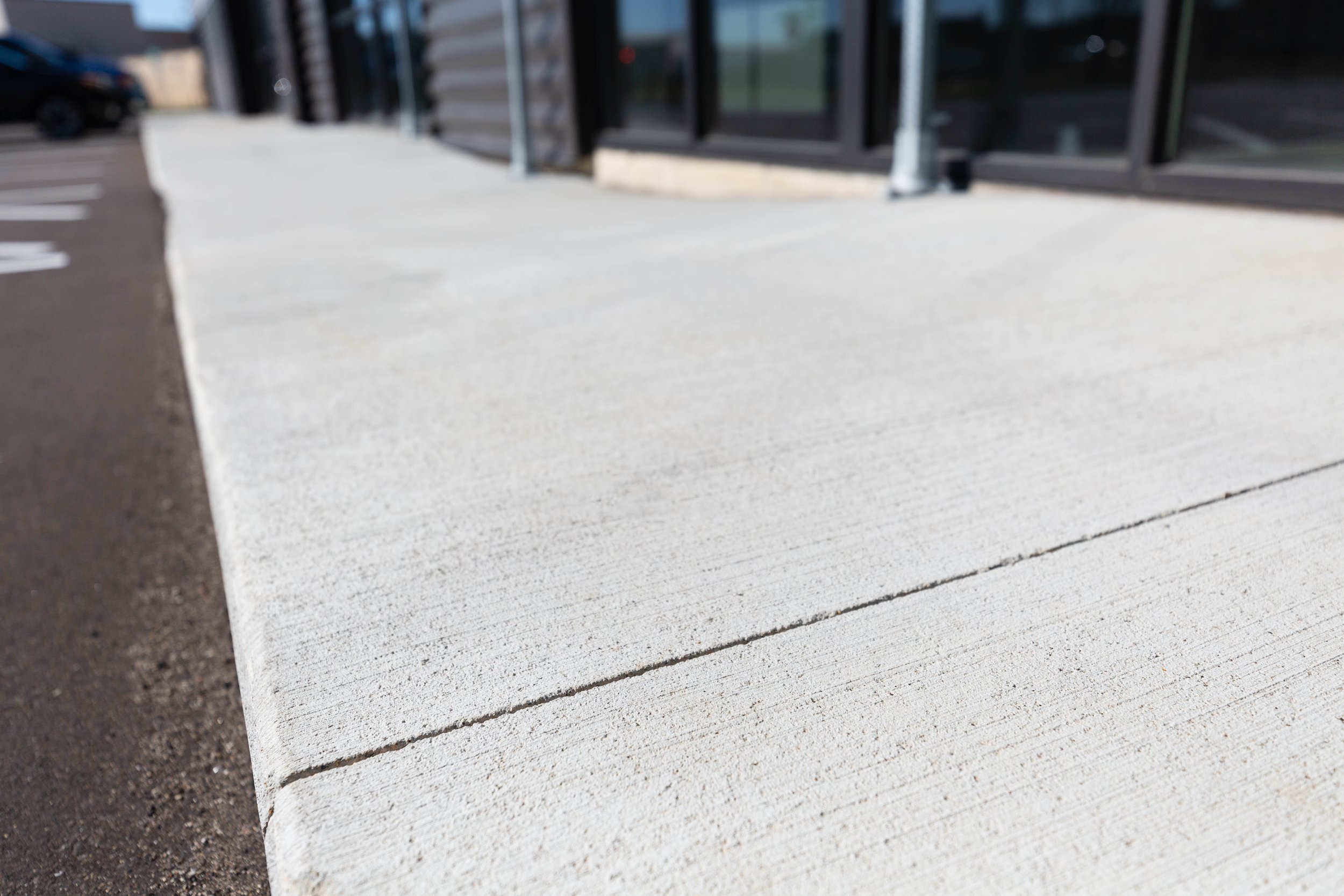
Commercial Concrete Slabs 101: From Planning to Pour
Commercial concrete slabs are the foundation of every successful industrial build. From planning and site preparation to reinforcement, pouring, and curing, every phase plays a critical role in long-term performance. This guide explores everything you need to know about commercial concrete slabs, including slab types, costs, durability, and best practices for warehouses, manufacturing facilities, and large-scale industrial projects.

The Ultimate Guide to Commercial Concrete Slabs for Industrial Builds
A commercial concrete slab is the backbone of any industrial facility, supporting heavy loads, constant traffic, and long-term performance. This guide breaks down slab types, costs, thickness, and best practices to help you build stronger, more efficient foundations from the ground up.
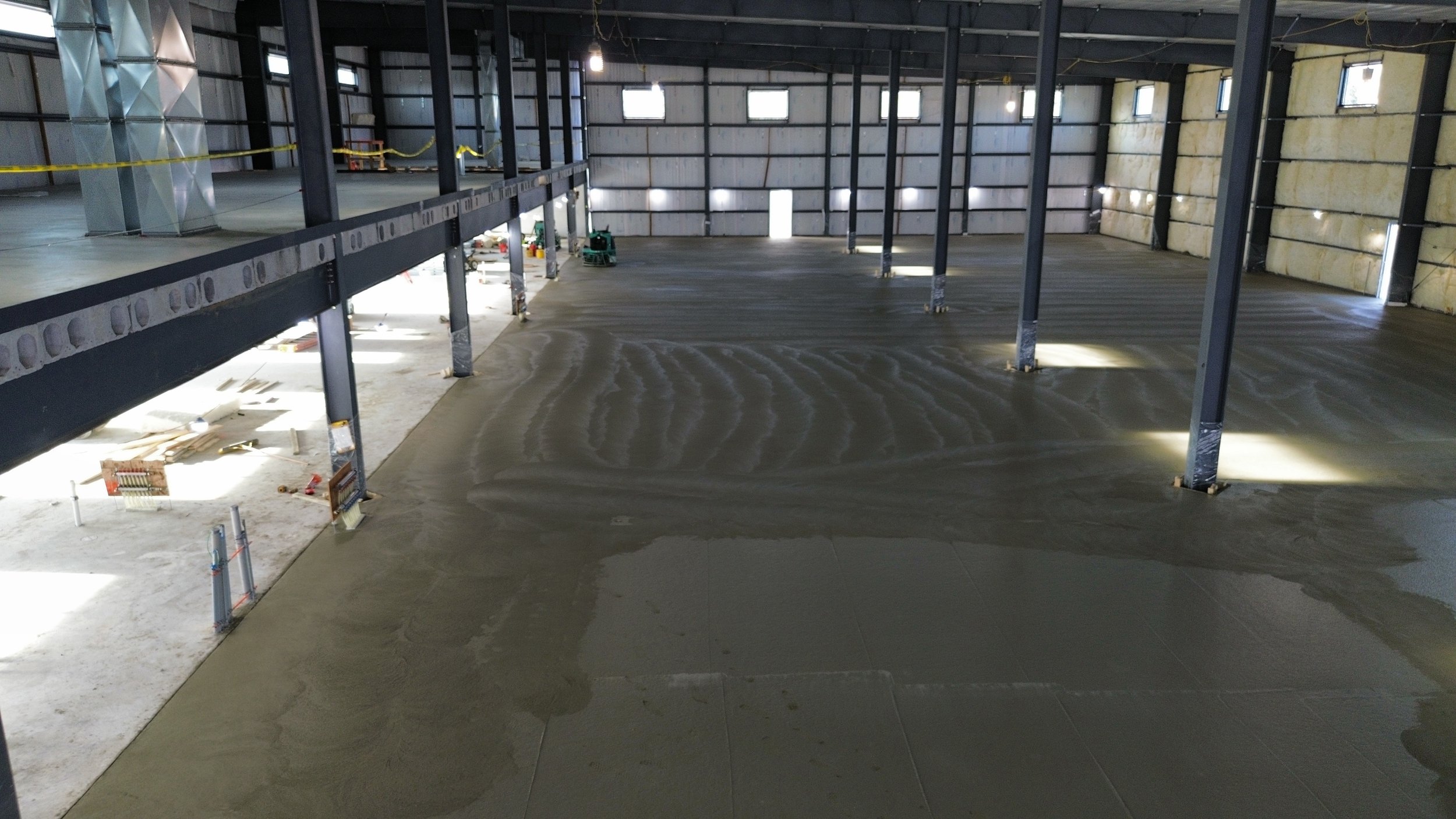
Beyond the Pour: Finishes, Coatings & Treatments That Add Value to Commercial Concrete Slabs
Discover how finishes, coatings, and treatments add durability, safety, and value to commercial concrete slabs. Learn the best options for your project.
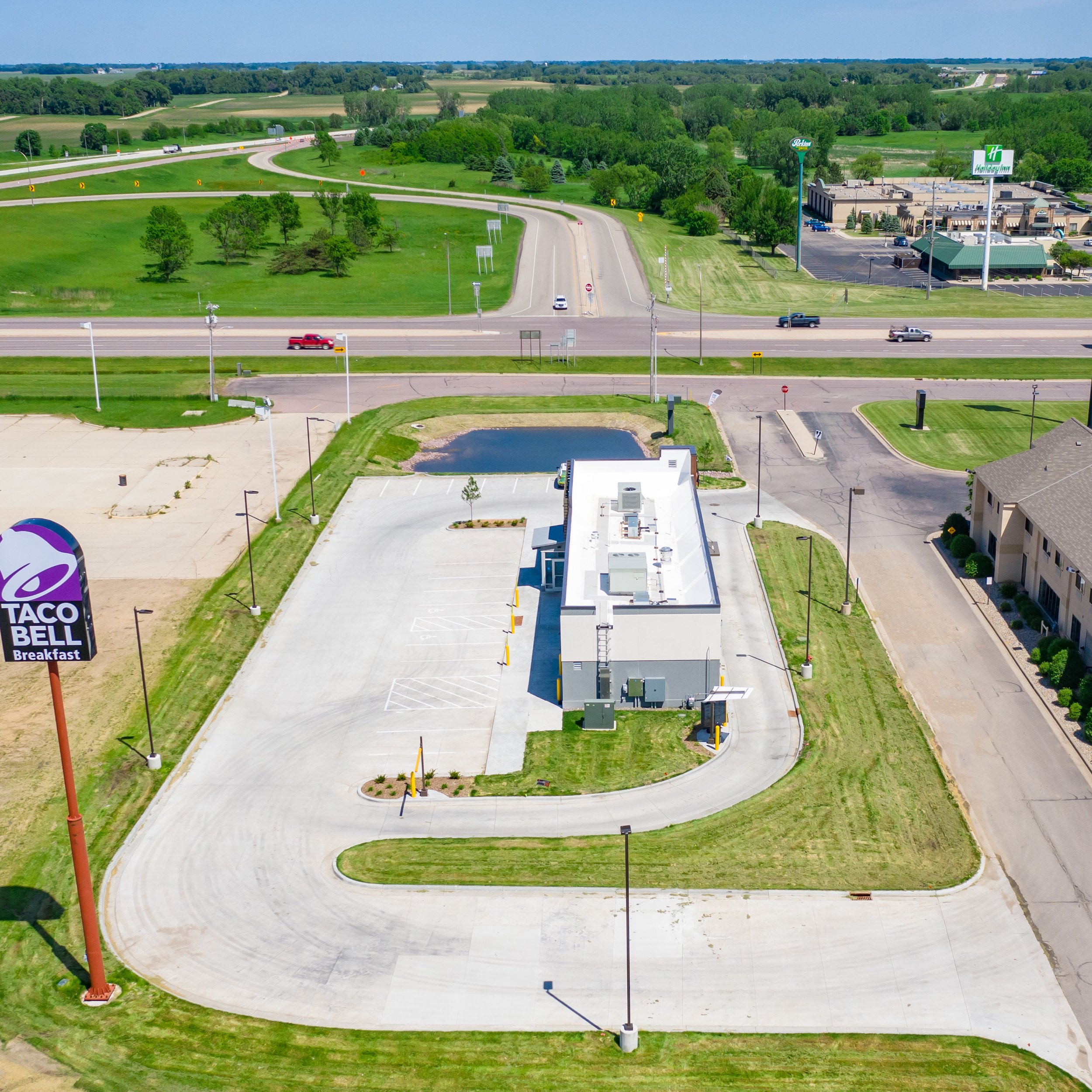
Concrete Cure Time Explained for Owners, Developers, and Contractors
Concrete curing plays a critical role in the strength and durability of commercial construction. Learn how concrete cure time affects project schedules, structural performance, and long-term building quality.

Concrete Slab Thickness for Commercial Buildings: What You Need to Know
Concrete slab thickness is one of the most important structural decisions in commercial construction. From office spaces and retail stores to warehouses and heavy industrial facilities, the right slab thickness ensures durability, load capacity, and long-term performance. Choosing correctly means balancing soil conditions, reinforcement, and expected traffic to prevent costly repairs down the road. Here’s what you need to know before you pour.
Slab-on-Grade vs. Elevated Concrete Slabs: Cost, Performance & Best Use Cases
When comparing slab-on-grade vs. elevated concrete slabs, speed of construction is often a deciding factor. Slab-on-grade systems typically allow for faster installation because they require less structural support, minimal formwork, and fewer sequencing dependencies. Elevated concrete slabs, on the other hand, involve shoring, structural coordination, and extended curing timelines before additional loads can be applied. For projects with tight schedules, such as warehouses, retail developments, or manufacturing facilities, choosing the right slab system can significantly impact overall construction timelines and project costs.